Timeless Style: How Venetian Blinds Elevate Any Interior
The Complete Guide to Venetian Blinds: Style, Function, and Practicality
Few window treatments have stood the test of time quite like Venetian blinds. For centuries, they have been a trusted choice for homes and offices around the world, offering unparalleled control over light, privacy, and ventilation. Their classic horizontal slat design is instantly recognizable, yet modern innovations have transformed them into sophisticated, versatile, and highly functional window coverings suitable for any interior style.
Whether you are renovating your entire home or simply updating a single room, Venetian blinds offer a compelling combination of practicality and aesthetic appeal. This comprehensive guide covers everything you need to know from understanding materials and slat sizes to installation, safety, and maintenance.
Part 1: What Are Venetian Blinds?
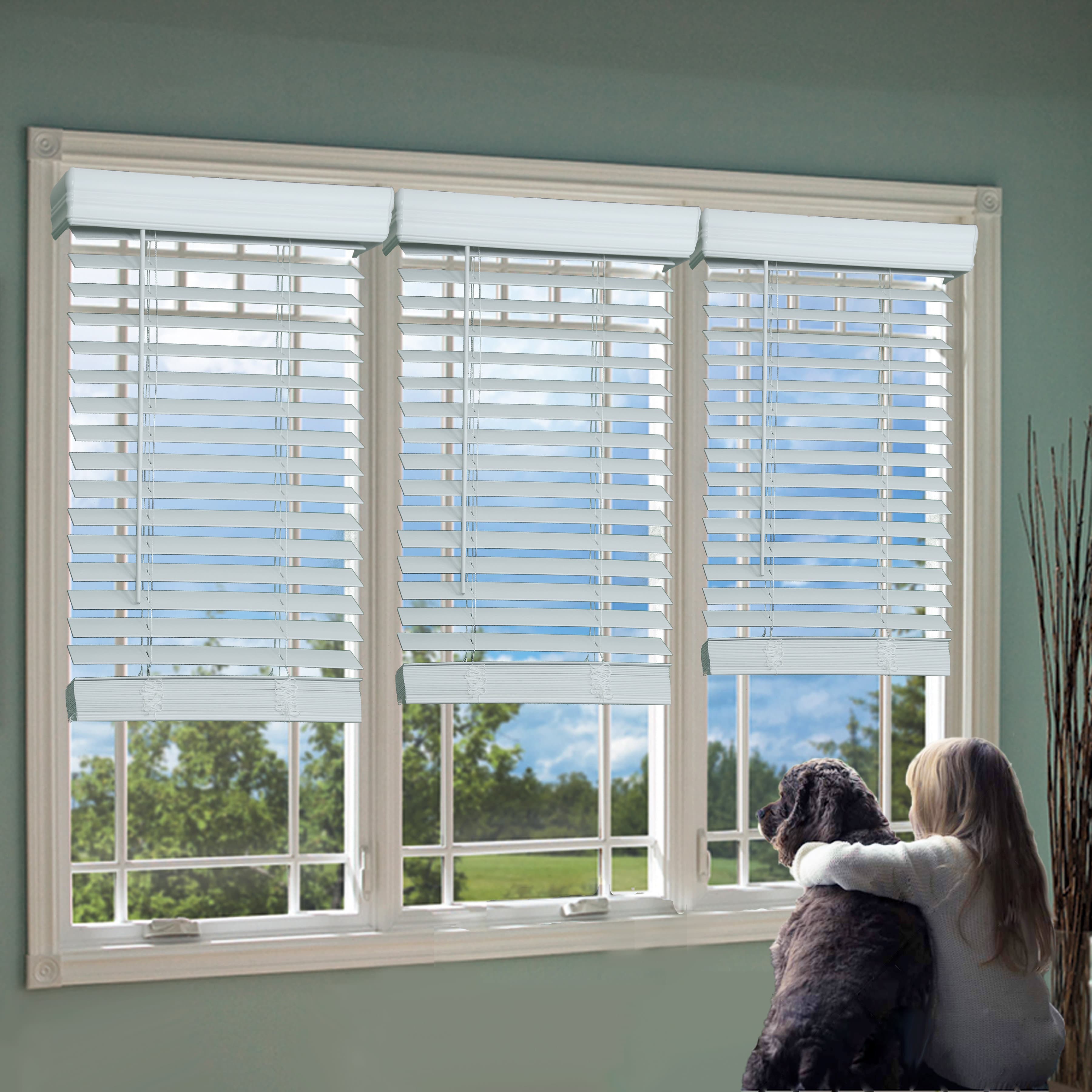
Venetian blinds are window coverings consisting of horizontal slats connected by string or ladder cords. These slats can be tilted to control the amount of light entering a room, raised or lowered to cover or expose the window, and adjusted to provide varying degrees of privacy.
A Brief History
The name "Venetian" suggests an Italian origin, but the concept of horizontal slat blinds actually traces back to ancient Persia. Traders and travelers brought the idea to Venice, where it was refined and popularized, eventually spreading across Europe and the rest of the world. Today, Venetian blinds are a global staple in both residential and commercial spaces.
How They Work
The mechanism behind Venetian blinds is elegantly simple yet highly effective:
-
Tilt Control: A rotating wand or cord operates a system of ladder cords that run through the slats. Turning the wand tilts the slats in unison, allowing you to angle them to let in light, block it completely, or create a partial opening.
-
Lift Control: A separate cord or chain raises and lowers the entire blind. When fully raised, the slats stack neatly at the top of the window, providing an unobstructed view.
-
Bottom Rail: A heavier rail at the bottom of the blind adds weight, keeping the slats straight and ensuring they hang evenly.
Part 2: Material Choices – Finding the Right Fit
The material you choose for your Venetian blinds significantly impacts their durability, appearance, and suitability for different rooms. Each material has its own unique advantages and aesthetic qualities.
Aluminium Venetian Blinds
Aluminium is the most popular choice for Venetian blinds, and for good reason.
-
Durability: Lightweight yet incredibly strong, aluminium slats do not warp, crack, or fade easily. They are resistant to moisture, making them ideal for kitchens, bathrooms, and high-humidity environments.
-
Lightweight: Their light weight makes them easy to operate, even on large windows.
-
Modern Aesthetic: Aluminium blinds offer a sleek, contemporary look with clean lines. They are available in a vast range of colours and finishes, including matte, gloss, and metallic textures.
-
Affordability: They are generally more budget-friendly than wood or bamboo options.
-
Maintenance: They are incredibly easy to clean a quick wipe with a damp cloth is usually sufficient.
Wooden Venetian Blinds
Wooden blinds bring warmth, texture, and a touch of natural elegance to any space.
-
Aesthetic Appeal: The natural grain and rich tones of wood add a sense of luxury and sophistication that synthetic materials cannot replicate. They complement traditional, rustic, and farmhouse interiors beautifully.
-
Insulation: Wood is a natural insulator, helping to regulate room temperature by reducing heat transfer through the window.
-
Variety: Available in various wood types, including basswood, cedar, and faux wood alternatives. They come in a wide range of stains and paint finishes.
-
Considerations: Real wood is sensitive to moisture and humidity, making it less suitable for bathrooms or kitchens. It is also heavier than aluminium, which may require stronger mounting hardware.
-
Maintenance: Wood requires gentle dusting and occasional polishing to maintain its lustre. Avoid excessive moisture during cleaning.
Faux Wood (Composite) Venetian Blinds
Faux wood blinds offer the best of both worlds the look of wood with the durability of synthetic materials.
-
Moisture Resistance: Unlike real wood, faux wood is resistant to moisture, making it suitable for kitchens, bathrooms, and coastal climates.
-
Durability: They do not warp, crack, or fade, ensuring long-lasting performance.
-
Easy Maintenance: They are easy to clean and maintain, requiring only occasional dusting or wiping.
-
Aesthetic: Modern faux wood blinds closely mimic the appearance of real wood, with realistic grain textures and a range of colour options.
-
Weight: They are heavier than aluminium but lighter than real wood.
PVC or Vinyl Venetian Blinds
-
Waterproof: PVC blinds are 100% waterproof, making them the ultimate choice for bathrooms, laundry rooms, and even outdoor applications.
-
Affordability: They are one of the most budget-friendly options available.
-
Easy Cleaning: They can be wiped down or even hosed off.
-
Considerations: They may not offer the same aesthetic sophistication as wood or aluminium, and lower-quality PVC can become brittle over time with sun exposure.
Part 3: Slat Sizes and Their Impact
The size of the slat significantly affects the blind's appearance, functionality, and suitability for your window.
Common Slat Sizes
-
25mm (1 inch): This is the most popular slat size for aluminium blinds. It offers a classic, clean look and is ideal for smaller windows. The narrow slats create a subtle, refined texture that suits contemporary interiors.
-
35mm (1.4 inches) – 50mm (2 inches): These larger slats are more commonly found in wooden and faux wood blinds. They offer a bolder, more substantial appearance that works well with larger windows and traditional interiors.
-
63mm (2.5 inches): These extra-wide slats are used for large commercial windows, patio doors, or spaces where you want a dramatic, contemporary look.
Choosing the Right Size
-
Window Size: Larger windows can accommodate wider slats without looking out of proportion, while smaller windows are better suited to narrower slats.
-
Interior Style: Narrow slats (25mm) complement minimalist and modern aesthetics, while wider slats (50mm+) suit traditional, rustic, or farmhouse styles.
-
Room Function: In home offices, narrower slats allow for finer light control, reducing glare on screens. In living rooms, wider slats create a more relaxed, substantial feel.
Part 4: Light Control and Privacy
One of the greatest advantages of Venetian blinds is the level of control they offer over light and privacy.
Tilt Adjustments
-
Fully Closed (Slats Overlapping): The slats are tilted so they overlap completely, blocking out nearly all light and providing total privacy. This setting is ideal for bedrooms or when you need complete seclusion.
-
Partially Open (Slats Angled Up): Tilting the slats upward allows light to filter into the room while directing it toward the ceiling. This softens the glare and reduces the intensity of direct sunlight.
-
Partially Open (Slats Angled Down): Angling the slats downward provides a clear outward view while maintaining a degree of privacy. This is a popular setting for daytime use.
-
Fully Open (Slats Horizontal): The slats are turned to a horizontal position, allowing maximum light and a full view of the outside. This setting minimizes privacy, as the outside can see in.
The "Cellular" Advantage
Some Venetian blinds feature a subtle "S" or "C" curve in the slats. This design, often referred to as "cellular" or "curved" slats, significantly enhances privacy. The curve allows light to enter from above while obstructing the view from below, meaning you can enjoy natural light without sacrificing privacy.
Part 5: Operating Mechanisms and Safety
Modern Venetian blinds offer a variety of operating systems designed for convenience and safety.
Control Options
-
Standard Cord Lift with Tilt Wand: This is the most common mechanism. A pull cord raises and lowers the blind, while a rotating wand tilts the slats. It is simple, reliable, and affordable.
-
Cordless Lift System: An internal spring mechanism allows you to raise and lower the blind by simply pushing up on the bottom rail. This eliminates long, dangling cords, making it much safer for children and pets.
-
Motorized Operation: The ultimate in convenience. Motorized Venetian blinds can be operated via remote control, wall switch, or smart home integration. They are ideal for large, heavy blinds or hard-to-reach windows.
-
Tilt-Only Cord: Some systems separate the lift and tilt functions, with a single cord operating both. This requires careful handling to avoid tangling.
Safety First
Venetian blinds with exposed cords pose a serious strangulation hazard to young children and pets. Safety must always be a priority:
-
Cord Tensioners: These devices keep pull cords taut and secure against the wall, eliminating looped cords.
-
Breakaway Connectors: Special safety devices that separate under pressure, preventing the formation of hazardous loops.
-
Cordless Systems: The safest option, completely eliminating cords and chains.
-
Motorized Systems: Another cordless alternative offering ultimate safety and convenience.
-
Safety Standards: Always ensure any Venetian blind you purchase complies with current child safety regulations.
Part 6: Installation – Step-by-Step Guide
Installing Venetian blinds is a straightforward DIY project with the right tools and preparation.
Inside Mount vs. Outside Mount
-
Inside Mount: The blind is installed within the window recess. This provides a clean, built-in look and is ideal for deep-set windows. It requires precise measurements to ensure a perfect fit.
-
Outside Mount: The blind is mounted on the wall or trim above the window. This is suitable for shallow frames and can make small windows appear larger.
Installation Steps
-
Measure Accurately: Measure the width at the top, middle, and bottom of the frame. For an inside mount, use the narrowest measurement. For an outside mount, add 2–4 inches to the width on each side. Measure the height from the top of the mounting point to the windowsill (or your desired drop length).
-
Mark Bracket Positions: Hold the mounting brackets against the wall, ceiling, or window frame. Use a spirit level to ensure they are perfectly horizontal. Mark the screw holes with a pencil.
-
Drill and Secure: Use the appropriate drill bit for your wall type. Drill pilot holes and secure the brackets using the provided screws.
-
Mount the Blind: Most Venetian blinds have a simple snap-in or click-in mechanism. Attach the headrail to the brackets.
-
Test Operation: Raise and lower the blind several times. Tilt the slats to ensure smooth operation. Adjust the cord length if necessary.
Pro Tip: If you have a particularly large or heavy blind, consider additional brackets in the centre of the window for extra support.
Part 7: Maintenance and Cleaning
Venetian blinds are relatively low-maintenance, but regular care will keep them looking fresh and functioning smoothly.
Regular Dusting
-
Weekly Dusting: Use a microfiber cloth, feather duster, or the brush attachment on your vacuum cleaner to gently remove dust from the slats. For efficiency, close the slats in one direction, dust, then close them in the opposite direction and dust the other side.
-
Duster Tools: Special Venetian blind dusters are available with multiple arms that clean several slats at once, saving time.
Deep Cleaning
-
Aluminium and PVC Blinds: These are the easiest to clean. Fill a spray bottle with a mild soap and water solution. Spray the slats, let it sit for a few minutes, and wipe down with a soft cloth. For tougher grime, remove the blind and gently hose it down.
-
Wooden Blinds: Real wood requires more gentle care. Use a slightly damp cloth to wipe down the slats, but avoid saturating them. Dry immediately with a clean, soft cloth. Use a wood polish occasionally to restore shine.
-
Faux Wood Blinds: These are more durable and can be cleaned similarly to aluminium blinds. Avoid abrasive cleaners.
Troubleshooting Common Issues
-
Stuck Slats: If slats are not tilting smoothly, check the ladder cords for tangles. Gently separate any twisted cords.
-
Broken Cord: Re-stringing a Venetian blind can be a complex task. Consider professional repair if you are not confident in DIY stringing.
-
Warped Slats: If aluminium or PVC slats are bent, they may be gently straightened by hand. Wood slats that warp due to moisture should be replaced.
Part 8: Styling Venetian Blinds in Your Home
Venetian blinds are incredibly versatile and can be styled to suit virtually any interior aesthetic.
Room-by-Room Styling
-
Living Room: Aluminium blinds in a neutral colour (white, grey, or beige) offer a clean, modern look. For a warmer feel, opt for wood or faux wood blinds in a rich mahogany or oak finish.
-
Bedroom: Blackout or room-darkening Venetian blinds are essential for a good night's sleep. Consider wooden blinds for warmth or aluminium for a sleek, minimalist bedroom.
-
Kitchen: Aluminium or PVC blinds are the best choice due to their moisture and grease resistance. Choose a bright colour or metallic finish to add personality.
-
Bathroom: PVC or aluminium blinds are essential for high-humidity environments. White or light colours keep the space feeling fresh and clean.
-
Home Office: Narrower slats (25mm) offer finer light control, reducing glare on computer screens. Choose a neutral colour to maintain a professional atmosphere.
Layering with Curtains
Pairing Venetian blinds with curtains adds depth, texture, and a sense of luxury.
-
Modern Look: Combine aluminium Venetian blinds with simple, floor-length sheer curtains for a contemporary, airy feel.
-
Traditional Look: Wooden blinds paired with heavy, lined drapes create a warm, classic, and opulent atmosphere.
-
Layering Tips: Ensure the curtain rod is mounted high and wide enough to accommodate both the blind and the curtains without obstructing the window.
Conclusion
Venetian blinds are a timeless, versatile, and practical window treatment that has earned their place as a home essential. Their ability to provide precise control over light, privacy, and ventilation, combined with their sleek design and wide range of materials, colours, and slat sizes, makes them suitable for any room and any style.
Whether you choose the durability of aluminium, the warmth of wood, the versatility of faux wood, or the waterproof nature of PVC, Venetian blinds offer a reliable and stylish solution that will enhance your home's comfort and aesthetic for years to come. By understanding your options from material and slat size to operation and safety you can confidently choose the perfect Venetian blinds for your unique space.