The Timeless Elegance of Roman Blinds
The Timeless Elegance of Roman Blinds: A Complete Guide
In the world of window treatments, few options manage to straddle the line between classic sophistication and modern practicality quite like Roman blinds.
They have adorned windows for centuries, evolving from the functional awnings of ancient Rome to the refined, tailored statement pieces we see in contemporary interiors today.
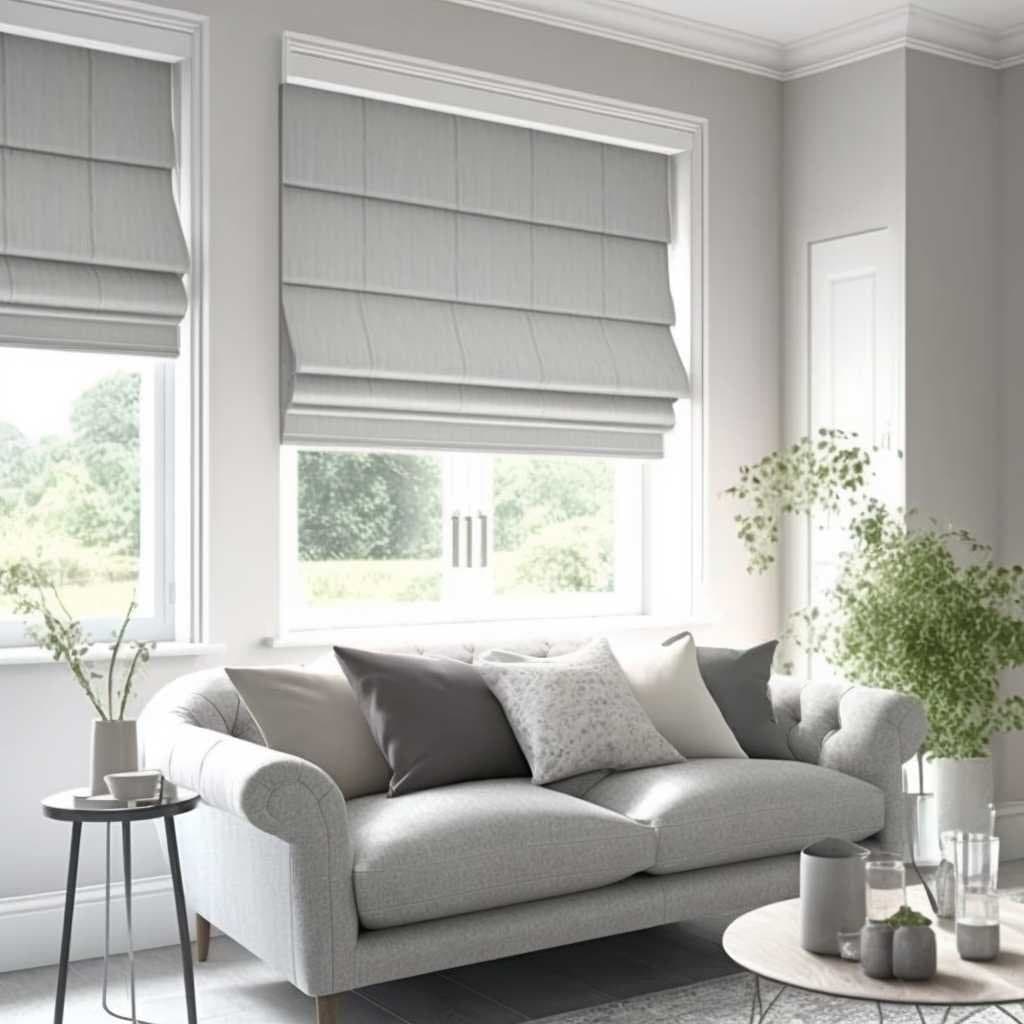
Roman blinds offer the softness and warmth of fabric curtains combined with the clean lines and functionality of a blind. They fold neatly into horizontal pleats when raised, creating a beautiful, sculptural effect, and drop down to provide a smooth, flat panel of fabric when lowered. This unique combination makes them a favourite among interior designers and homeowners alike.
This comprehensive guide covers everything you need to know about Roman blinds from their construction and fabric choices to installation, safety, and styling tips.
Part 1: Understanding Roman Blinds – Construction and Styles
Before you choose a Roman blind for your home, it is essential to understand how they are constructed and the different styles available. The way the fabric folds when raised defines the overall look and feel of the blind.
How Roman Blinds Work
At their core, Roman blinds consist of a single piece of fabric attached to a headrail at the top of the window. Horizontal rods or rings are sewn into the back of the fabric at regular intervals. When you pull the cord or chain, the fabric lifts and folds neatly at these intervals, creating the characteristic stacked pleats. When lowered, the fabric falls into a smooth, flat sheet that covers the window completely.
The Different Folding Styles
The style of the fold is what gives a Roman blind its distinct personality. There are several popular folding styles to choose from:
-
Classic Flat Fold: This is the most traditional and common style. When raised, the fabric folds into neat, accordion-like pleats that stack evenly on top of one another. It offers a clean, tailored look that suits both traditional and contemporary interiors.
-
Relaxed/Hobbled Fold: Unlike the flat fold, the relaxed style features soft, cascading "U" or "S" shaped folds that remain visible even when the blind is fully lowered. When raised, these folds stack gently, creating a softer, more casual, and romantic appearance. This style is perfect for bedrooms and cozy living spaces.
-
Teardrop/Balloon Fold: This is a more decorative style where the fabric is gathered at the bottom, creating rounded, balloon-like poufs when the blind is raised. When fully lowered, the fabric hangs straight but retains a subtle fullness. This style is best suited for formal or traditional interiors.
-
Reverse Fold: In this style, the fabric folds upward rather than downward, so the folds "pop" out at the front rather than creating a valley. This allows a contrasting fabric lining to be visible when the blind is raised, adding an extra design element.
Part 2: Fabric Selection – The Heart of Your Roman Blind
The fabric you choose will significantly impact the function, appearance, and longevity of your Roman blind. Unlike roller blinds, which often feature synthetic, technical fabrics, Roman blinds offer a much wider range of textile options.
Light Control and Opacity
Your first consideration should be how much light you want in the room:
-
Sheer Fabrics: Lightweight and translucent, these allow soft, diffused light to fill the room while offering minimal privacy. They create an airy, delicate look ideal for living rooms or sunrooms. Sheer Roman blinds often feature a hobbled fold to emphasize the softness of the fabric.
-
Light-Filtering Fabrics: These offer a happy medium. They allow natural light to enter while obscuring the view from outside, providing daytime privacy. They work well in dining rooms, kitchens, and home offices.
-
Blackout or Room-Darkening Fabrics: These are dense, opaque materials that block out the majority of light. They are essential for bedrooms, nurseries, and media rooms. To achieve full blackout functionality, most Roman blinds in this category feature a blackout lining attached to the back of the decorative fabric.
Lining Options
The lining of a Roman blind is just as important as the face fabric. It provides structure, insulation, and light control.
-
Standard Lining: A lightweight cotton or polyester lining that adds a degree of opacity and protects the main fabric from sun damage.
-
Thermal Interlining: A thicker layer of material between the face fabric and the lining. This provides excellent insulation, helping to keep your home warm in winter and cool in summer.
-
Blackout Lining: As mentioned above, this is a dense, opaque layer that blocks light and provides maximum privacy.
-
Contrast Lining: Used with reverse-fold Roman blinds, a contrasting or patterned lining is deliberately visible when the blind is raised, adding a playful or sophisticated design element.
Choosing the Right Material
The material you choose affects both the look and the drape of the blind:
-
Linen and Linen-Blends: Offering a relaxed, textured, and organic look, linen is a perennial favourite. It works beautifully in coastal, boho, and farmhouse interiors.
-
Cotton and Cotton-Blends: Versatile and breathable, cotton is available in a vast range of patterns and colours. It suits almost any interior style.
-
Velvet and Heavy Textures: These luxurious fabrics add warmth, depth, and a sense of opulence. They are ideal for formal living rooms and bedrooms.
-
Synthetic Performance Fabrics: Solution-dyed acrylics and polyesters are durable, fade-resistant, and often stain-resistant, making them excellent choices for kitchens, bathrooms, and high-traffic areas.
Part 3: Functionality, Operation, and Safety
Beyond their aesthetic appeal, Roman blinds are highly functional. However, their operation and safety features are crucial considerations before making a purchase.
Operating Mechanisms
Traditionally, Roman blinds are operated using a cord or chain system. However, modern innovations have introduced safer and more convenient options:
-
Standard Chain Control: A bead chain hangs on one side of the blind, connected to a geared mechanism in the headrail. Pulling the chain raises or lowers the blind smoothly. This is the most common and affordable option.
-
Cord Loop System: A continuous cord loop operates the blind, similar to a chain system but using a cord instead of beads.
-
Cordless/Clever-pull System: This mechanism uses an internal spring system. You simply pull the bottom rail gently to raise the blind, and tug it slightly to lower it. The cord is hidden within the headrail, eliminating dangerous dangling cords.
-
Motorized Operation: For the ultimate in convenience, motorized Roman blinds can be operated with a remote control, wall switch, or smart home integration. This is particularly beneficial for large, heavy blinds or windows that are difficult to reach.
Safety First
The cords and chains on traditional Roman blinds pose a strangulation hazard to young children and pets. Safety should always be a priority:
-
Chain Tensioners: These devices screw into the wall and keep the bead chain taut, eliminating the hazardous loop.
-
Breakaway Connectors: Special connectors are designed to separate under pressure, preventing the formation of a dangerous loop.
-
Cordless or Motorized Systems: These completely eliminate cords and chains, offering the safest possible solution for households with children or pets.
-
Safety Standards: Always ensure that any Roman blind you purchase complies with current safety regulations, which mandate the use of safety devices on corded window coverings.
Part 4: Installation – A Step-by-Step Guide
Installing Roman blinds is a manageable DIY project for most homeowners, provided you have the right tools and patience.
Inside Mount vs. Outside Mount
-
Inside Mount: The blind is installed within the window recess. This creates a clean, integrated look and is ideal for deep-set windows. It requires precise measurements to ensure the blind fits snugly.
-
Outside Mount: The blind is mounted on the wall or trim above the window. This is an excellent choice for shallow window frames and can make small windows appear larger by covering the entire opening.
Installation Steps
-
Measure Carefully: Measure the width at the top, middle, and bottom of the window frame. Use the narrowest measurement for an inside mount. For an outside mount, add 2–4 inches to the width on each side.
-
Mark Bracket Positions: Hold the brackets against the wall or ceiling. Using a spirit level, ensure they are perfectly horizontal. Mark the screw holes with a pencil.
-
Drill and Secure: Using the appropriate drill bit for your wall type, drill pilot holes and secure the brackets using the provided screws.
-
Attach the Blind: Most Roman blinds feature a simple hook-and-loop or click-in system that attaches the headrail to the brackets.
-
Test Operation: Pull the cord or chain to raise and lower the blind several times. Ensure the fabric folds evenly and the mechanism operates smoothly.
Pro Tip: If your window frame is made of brick or concrete, use appropriate wall plugs and a masonry bit for a secure installation.
Part 5: Styling and Design Inspirations
Roman blinds are among the most versatile window treatments, capable of complementing any interior design style. Their tailored appearance and fabric variety make them a designer's dream.
Layering with Curtains
One of the most popular ways to style Roman blinds is to layer them with curtains. This adds depth, texture, and a sense of luxury to a room.
-
Sheer Roman Blinds + Heavy Drapes: Use a sheer Roman blind for daytime privacy and light filtration, paired with heavy, floor-length drapes for nighttime insulation and drama.
-
Patterned Roman Blinds + Solid Curtains: A patterned Roman blind can serve as a focal point, while solid curtains in a complementary colour frame the window beautifully.
Room-by-Room Styling
-
Living Room: Opt for a classic flat-fold Roman blind in a neutral linen or cotton for a timeless, sophisticated look. Consider a bold geometric pattern for a contemporary twist.
-
Bedroom: Choose a hobbled or relaxed fold in a soft, soothing colour like sage green or dusty blue. Always opt for a blackout lining to ensure a good night's sleep.
-
Kitchen: Select a light-filtering or sheer fabric in a bright, cheerful colour or a subtle stripe. Look for easy-to-clean synthetic or stain-resistant fabrics.
-
Bathroom: Go for a moisture-resistant synthetic or vinyl-coated fabric to prevent mildew and warping. A relaxed fold adds a soft touch to the often-hard surfaces of a bathroom.
-
Nursery: Safety is paramount. Opt for a cordless or motorized blackout Roman blind. A playful pattern or soft pastel colour will create a calming environment.
Part 6: Maintenance and Longevity
With proper care, Roman blinds can last for many years. They require more attention than roller blinds due to their fabric folds, but regular maintenance is straightforward.
Regular Maintenance
-
Weekly Dusting: Use the soft brush attachment on your vacuum cleaner to gently remove dust from the folds. Alternatively, use a microfiber duster to go over each fold.
-
Spot Cleaning: For minor stains, use a soft cloth dampened with a mild soap and water solution. Gently dab the stain without rubbing, as friction can damage the fabric. Blot dry with a clean towel.
Deep Cleaning
Roman blinds are more delicate than roller blinds and often require professional cleaning, especially if they are made of natural fabrics like linen or silk. However, some synthetic fabrics are machine-washable or can be hand-washed.
-
Check the Care Label: Always refer to the manufacturer's care instructions.
-
Professional Cleaning: For high-end fabrics, heavy stains, or antique blinds, professional dry cleaning is the safest option.
-
Avoid Harsh Chemicals: Never use bleach or abrasive cleaners on any Roman blind.
Conclusion
Roman blinds are a truly timeless window treatment that combines the practicality of a blind with the soft, luxurious feel of a curtain. Their ability to fold into elegant, sculptural pleats makes them a design statement in any room, while their wide range of fabrics, colours, and styles ensures there is a perfect option for every taste and budget.
From understanding the different folding styles and fabric choices to prioritizing safety and proper installation, this guide has equipped you with the knowledge to make an informed decision. Whether you are looking to add warmth to a bedroom, sophistication to a living room, or practicality to a kitchen, Roman blinds offer an enduring solution that will enhance your home's beauty and comfort for years to come.