Office Window Blinds: The Practical Guide to Boosting Productivity and Comfort
Office Window Blinds: The Practical Guide to Boosting Productivity and Comfort
Choosing window blinds for an office is fundamentally different from choosing them for a home. While residential blinds focus on aesthetics and personal comfort, office blinds must tackle a unique set of challenges: managing screen glare on computers, maintaining a professional and consistent appearance across a floor or building, withstanding daily heavy use by multiple people, and often complying with fire safety regulations. In Delhi's commercial hubs like Connaught Place, Nehru Place, Cyber City Gurugram, and Noida, thousands of offices upgrade their window treatments every year to create a more productive and comfortable work environment. This guide identifies the best blind types for every type of commercial space and what you should consider before making a decision.
The Key Requirements for Office Blinds
Before exploring the different types, it is important to understand what office blinds need to achieve. Screen glare is the primary complaint in offices, as direct sunlight on monitor screens causes eye strain and reduces productivity. The right blinds must manage glare without making the room feel dark or claustrophobic. Durability is another major factor. Office blinds are operated multiple times per day by multiple users and must withstand far heavier use than residential blinds. A consistent, clean look across all windows is also essential for brand image and client impressions. Finally, some commercial buildings in Delhi require window treatments to carry a fire retardant certification, so it is wise to confirm this requirement with your building management before placing an order.
Solar Roller Blinds: The Industry Standard for Offices
Solar roller blinds, also known as sunscreen blinds, are the most widely used office blind in Delhi and Gurugram, and for good reason. These blinds are made from a specialized open weave fabric that filters sunlight. A 3% or 5% openness factor solar fabric can cut glare on screens by 80 to 85% while still maintaining an outside view and a sense of openness in the office. This is crucial for employee wellbeing and productivity, as it reduces eye strain while keeping the space bright and connected to the outside world. The flat, clean panel looks professional and consistent across all windows, and the fabric is easy to wipe down without removal. For offices with floor to ceiling glass facades, which are increasingly common in commercial towers, wide roller blinds or multiple roller blinds on a shared fascia board can maintain a uniform appearance. The price for solar roller blinds typically starts from around ₹70 to ₹120 per square foot.
Vertical Blinds: A Practical Choice for Large Windows
Vertical blinds offer a practical and versatile solution, particularly for large windows, sliding glass doors, and office partitions. Their vertical slats slide from side to side, making them ideal for wider windows. The slats can be rotated through 180 degrees to control light levels while maintaining privacy, or drawn neatly back to the side for clear views. This style is durable and has been a common choice in office buildings for decades. A major advantage is their suitability for large expanses of glass and unusual shaped windows. They are available in various materials, including PVC and fabric, and are priced competitively, often starting from around ₹55 per square foot.
Blackout Blinds: Essential for Meeting and Conference Rooms
While open plan offices benefit from solar blinds, meeting rooms, conference rooms, and presentation areas require a different solution. Blackout blinds are essential for these spaces where projectors, video conferencing, and presentations demand controlled darkness. Blackout roller blinds are made from opaque fabric that blocks nearly all incoming light. For complete darkness, manufacturers offer blinds with side channels that eliminate the light halo that can leak around the edges. Some blackout blinds also incorporate noise reduction, which is a bonus for ensuring that outside noise does not disturb meetings and presentations. These blinds are a key component in creating a professional and distraction free environment for important presentations.
Motorized Blinds: A Modern Solution for Corporate Spaces
For premium offices and modern corporate spaces, motorized blinds are an increasingly popular choice. They allow you to control all blinds on a floor with a single wall panel, remote, or smartphone app, or integrate them into a building management system for automated scheduling based on time of day or sunlight intensity. This adds a level of convenience and sophistication, and is particularly useful for large floor plates and hard to reach windows. They also contribute to energy savings by automating light control. While they come at a premium, with motorization adding extra cost per blind, they offer ease of use and a contemporary feel.
Additional Considerations for Office Blinds
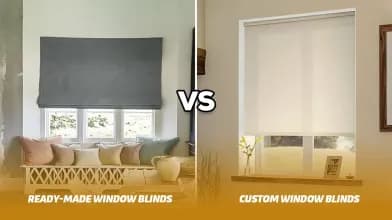
Beyond the type of blind, there are a few more factors to consider. Many offices invest in custom blinds to ensure a perfect fit for non standard windows and a consistent look across the space. Reliable installation is also crucial; a poorly installed blind will not function properly. Many Delhi NCR based companies offer complete services from on site measurement and product guidance to professional installation. With the right choice and proper installation, office blinds can dramatically improve the comfort, productivity, and professionalism of any workspace.
Automatic Window Blinds: The Future of Effortless Living
Imagine waking up to the gentle morning sun as your blinds glide open on their own, or coming home to a cool, shaded room after a scorching Delhi afternoon, all without lifting a finger. This is the promise of automatic window blinds, also known as motorized or smart blinds. This technology has moved far beyond the realm of luxury and is fast becoming a practical and valuable upgrade for modern Indian homes and offices. From remote controlled roller blinds to smart shading solutions across the NCR region, this guide explores everything you need to know about automatic window blinds, their benefits, types, costs, and how they can transform your living or working space.
What Are Automatic Window Blinds?
Automatic window blinds are window treatments that use a small, concealed motor to raise, lower, and tilt slats. Instead of using a cord or chain, you can control them with the touch of a button using a remote, a smartphone app, or even a voice command through a smart home assistant. The motor can be powered in a few ways: by a rechargeable battery, which makes installation quick and easy, by being hardwired into your home's electrical system, or even by a solar panel for an eco friendly option.
Key Features That Make Them Smart
What truly sets automatic blinds apart are the intelligent features they offer:
Time Based Automation
This is perhaps the most used and beloved feature. You can schedule your blinds to open and close at specific times of the day. For instance, you can set them to open with your morning alarm to wake you up with natural light and close during the peak afternoon heat to keep your home cool.
Voice Control
With native integration with platforms like Amazon Alexa and Google Home, you can control your blinds with simple voice commands. Saying Alexa, close the living room blinds becomes a reality.
Smartphone App Control
Control your blinds from anywhere in the world using a dedicated app. If you forgot to close the blinds while leaving for a vacation, you can do it remotely.
Sun and Temperature Sensors
Some advanced systems can be integrated with light or temperature sensors. In a south or west facing room, blinds can automatically lower when the sun is at its strongest to reduce heat and glare.
The Key Benefits of Upgrading
Effortless Convenience
The primary benefit is the sheer convenience of not having to manually operate blinds, especially for hard to reach windows like those in high ceilings, stairwells, or behind furniture.
Energy Efficiency
Automatic blinds can make a significant contribution to a home's energy efficiency. In the summer, closing them during the hottest part of the day reduces solar heat gain, which lowers the need for air conditioning. In winter, they can be opened to let in warming sunlight and closed at dusk to retain heat. Features like scheduled automation ensure this happens every day without you having to think about it.
Enhanced Security
By scheduling your blinds to open and close when you are away, you can create a lived in look that can deter potential burglars.
Safety for Children and Pets
Traditional blinds with dangling cords are a well known safety hazard. Automatic blinds are cordless, eliminating the risk of strangulation for children and pets.
UV Protection
With automated sun protection, you can schedule your shades to adjust throughout the day to protect your expensive furniture, flooring, and artwork from fading.
Types of Blinds You Can Automate
Motorization is not limited to one style. You can have the convenience of automation with almost any type of blind:
Roller Blinds: The most common and versatile option for automation, available in light filtering, sunscreen, and blackout fabrics.
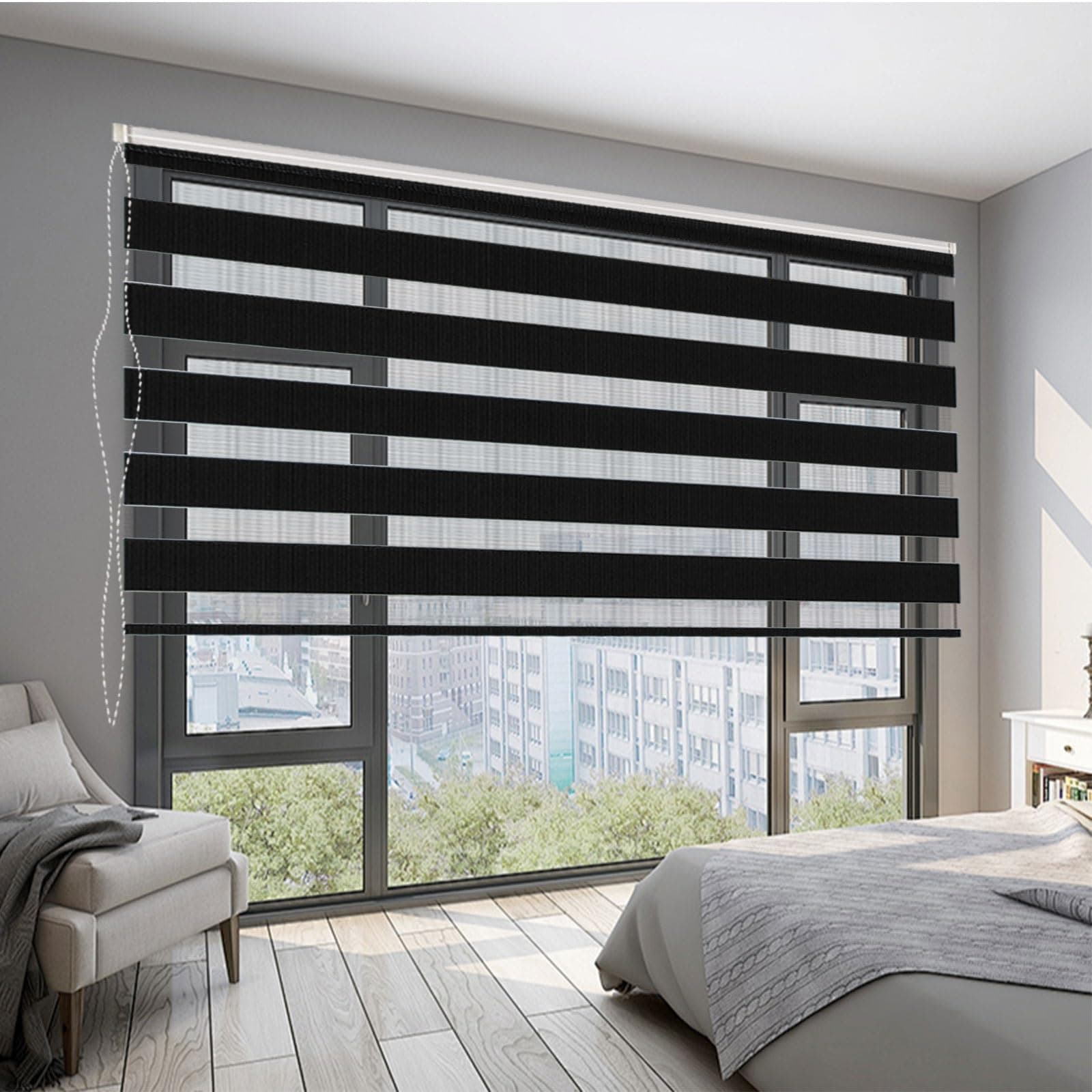
Zebra Blinds: The dual functionality of zebra blinds, with their alternating sheer and opaque stripes, is made even better with motorized operation.
Wooden and Venetian Blinds: These classic blinds can be motorized to control both the tilt of the slats and the lift of the blind.
Curtain Tracks: Motorized curtain track systems are also available for a more traditional and luxurious feel.
Price Range and Availability in India
The automatic blinds market in India has matured significantly, especially in major cities. The cost depends on the type of blind, its size, the fabric quality, and the complexity of the motorization features. For standard motorized roller or zebra blinds, you can expect to pay around ₹8,000 to ₹15,000 per blind, with premium options costing more. Basic motorized curtain systems start from around ₹8,000 for a simple track and can go up to ₹35,000 or more for double track and heavy fabrics. Motorization alone can add a premium to the base blind price, and advanced features like smart sensors will also add to the cost. Finding these