Office Window Blinds: A Complete Guide to Functional and Professional Workspaces
Office Window Blinds: A Complete Guide to Functional and Professional Workspaces
Window blinds in an office serve a purpose far beyond simple decoration. They are essential tools for managing light, reducing glare, ensuring privacy, improving energy efficiency, and creating a professional environment that supports productivity and well-being. The right blinds can transform a functional workspace into a comfortable and inspiring place to work, while the wrong choice can lead to eye strain, discomfort, and a less professional appearance.
Why Office Blinds Are a Strategic Necessity
The impact of office blinds extends far beyond just covering a window. Here is why they are a strategic necessity for any workspace.
Enhancing Productivity and Comfort
Natural light is a powerful tool for improving workplace productivity, enhancing mood, reducing eye strain, and boosting energy levels . However, uncontrolled sunlight is a major source of glare on computer screens, which can cause squinting, headaches, and fatigue, all of which hamper focus . Office blinds provide the ability to control this light, reducing glare while still retaining the benefits of a bright, naturally lit environment .
Managing Energy Costs
Large glass facades, common in modern offices, are a major source of solar heat gain. This forces air conditioning systems to work harder, driving up energy bills. The right window blinds can block this solar radiation, significantly reducing heat gain and making the office more energy-efficient. In colder months, certain blinds, like honeycomb shades, can also trap air at the window, creating an extra layer of insulation to reduce heat loss . This dual-season benefit leads to substantial cost savings and a smaller environmental footprint.
Creating Privacy and Professionalism
Open-plan offices and glass partitions are stylish but can leave employees feeling exposed. Blinds provide adjustable privacy for confidential meetings, focused work, or simply to create a sense of security and reduce visual distractions from outside activity .
Types of Office Blinds and Their Best Uses
The ideal blind for an office depends on the specific function of the space. Here is a breakdown of the most common types and where they excel.
Roller Blinds: The Versatile All-Rounder
Roller blinds are the workhorse of office window coverings. Their clean, minimalist design works in virtually any setting, from open-plan workspaces to executive cabins and meeting rooms .
-
Light Filtering: These fabrics soften sunlight, reducing harsh glare on screens while still allowing a comfortable level of natural light to pass through. They are the standard choice for general workspaces and are particularly effective for east- and west-facing windows that receive direct sun .
-
Sunscreen: A specific type of light-filtering fabric with a defined openness factor (often 3-5%) that reduces screen glare by up to 85% while preserving the outside view. This is the industry standard for open-plan offices to maintain a bright and airy feel .
-
Blackout: These blinds block out 100% of external light. They are an absolute essential for meeting rooms, boardrooms, and media rooms where presentations or video conferencing require complete darkness .
-
Duolite® System: This innovative system combines a translucent front shade with a room-darkening rear shade on one headrail. It offers the best of both worlds, allowing for filtered light during daytime meetings and complete blackout for presentations at the touch of a button .
Vertical Blinds: The Practical Choice for Large Windows
Vertical blinds are a classic and practical solution for large windows and sliding glass doors. Their long, vertical slats can be tilted to control light and drawn completely to the side for full access to the door or a clear view .
-
Light Control: They allow for precise adjustment of light throughout the day, making them effective at dampening harsh sunlight in large office areas .
-
Flexibility: They offer airflow even when partially open and can be completely cleared away for an unobstructed view .
Venetian Blinds: Precision Light Control
Venetian blinds, with their adjustable horizontal slats, offer the most precise light control. By tilting the slats, you can direct light exactly where you want it and completely adjust the level of privacy . They are a popular choice for executive offices and smaller meeting rooms where a classic, professional look is desired.
Cellular (Honeycomb) Blinds: Comfort and Energy Efficiency
Cellular or honeycomb blinds are designed with a unique structure that traps air in pockets, creating a highly effective insulating layer . This reduces heat gain in summer and heat loss in winter, contributing to lower energy costs and a more comfortable environment. They also have sound-absorbing qualities, making them an excellent choice for reducing echoes in meeting rooms and large open-plan areas . They are ideal for energy-conscious offices and spaces requiring acoustic management.
Motorised Blinds: Convenience and Control
Motorised blinds represent a significant upgrade in office functionality. Controlled via a remote, smartphone app, or voice assistant, they offer unparalleled convenience and can be a major asset in a modern, tech-forward workplace.
-
Scheduling: They can be programmed to open and close at set times, automatically adjusting to the sun's position throughout the day.
-
Efficiency: This automation can be used to close blinds during the hottest part of the day, maximising energy efficiency .
-
Convenience: They are perfect for hard-to-reach windows or for meeting rooms where you want to lower all blinds with a single button press .
Room-by-Room Office Blind Guide
-
Open-Plan Workspaces: These benefit most from glare-reducing roller blinds, particularly sunscreen fabrics that maintain an open, bright feel. Neutral colours and corporate tones help create a cohesive professional look.
-
Meeting Rooms and Boardrooms: Complete light control is critical. Blackout roller blinds with side channels are essential, and motorisation is highly recommended for synchronised operation .
-
Executive Cabins: These spaces often require a blend of professionalism and comfort. Venetian or wood blinds offer a classic, premium appearance with precise light control. Motorised options add a touch of modern convenience.
-
Glass Partitions: Blinds on glass walls provide essential privacy. Vertical blinds are particularly effective, as they can be drawn aside when not needed, making the space feel more open.
Cost Considerations: What to Expect
The cost of outfitting an office with blinds can vary widely. It's driven by factors like the number and size of windows, the quality of materials, the type of blind, and the complexity of the installation .
-
Materials: Vinyl or faux wood is generally the most affordable. Solid wood is more premium and heavier, while fabric roller systems offer a sleek look but cost more upfront .
-
Automation: Motorised blinds cost significantly more than manual ones, adding to both the material and installation costs .
-
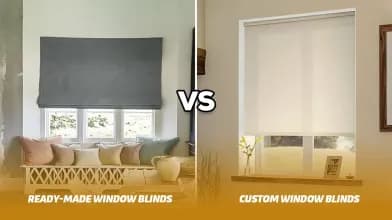
Custom vs. Ready-Made: While ready-made blinds are cheaper, custom blinds guarantee a perfect fit and are more durable in the long run, offering better value .
Conclusion
Window blinds are a critical component of any professional workspace. The right choice enhances employee comfort and productivity, reduces energy costs, boosts privacy, and creates a polished, professional image. By carefully considering the function of each space and the options available, businesses can make a strategic investment that pays dividends for years to come.