Draped in Elegance: Modern Takes on Roman Blinds
Introduction: Why Roman Blinds Deserve a Place in Your Home
When it comes to window treatments, few options manage to strike the perfect balance between timeless elegance and everyday functionality quite like the Roman blind. This classic window covering has been adorning homes for centuries, yet it feels as fresh and relevant today as it did in the grand manor houses of eighteenth-century Europe. What makes the Roman blind so special is its unique ability to soften a room with the luxurious draping of a curtain while maintaining the clean, structured lines of a shade. Whether you are designing a dream home from scratch or simply looking to refresh a tired living space, Roman blinds offer a sophisticated solution that works beautifully in virtually any setting. They are versatile, practical, and endlessly customizable, making them a favourite among interior designers and homeowners alike. In this comprehensive guide, we will explore every aspect of Roman blinds, from their fascinating history and construction to fabric choices, operating systems, and room-by-room recommendations, so that you can make an informed decision and find the perfect blinds for your home.
A Brief History: From Ancient Rome to Modern Interiors
The story of the Roman blind begins, as the name suggests, in ancient Rome, where wealthy citizens would hang dampened cloth over their windows to keep out the relentless heat and dust of the Mediterranean summer. These early window coverings were rudimentary but effective, and they were often raised and lowered using simple rope and pulley systems that allowed for basic light control. As the Roman Empire expanded, so too did the popularity of these fabric shades, and they eventually spread across Europe, where they were adopted and refined by the aristocracy. By the eighteenth century, Roman blinds had become a staple in the grand homes of the British and French elite, where they were crafted from luxurious silks and velvets and adorned with intricate trims and tassels. Over the following centuries, the Roman blind continued to evolve, shedding its overtly opulent associations and becoming more accessible to the middle classes. Today, the Roman blind is a design classic that has stood the test of time, beloved for its clean lines, graceful folds, and remarkable adaptability to both traditional and contemporary interiors.
Understanding the Anatomy of a Roman Blind
To truly appreciate the craftsmanship behind a Roman blind, it is helpful to understand its various components and how they work together to create a window treatment that is both beautiful and functional. At its most basic level, a Roman blind consists of a single piece of fabric that is attached to a headrail at the top of the window and equipped with a system of cords, rings, and rods that allow it to be raised and lowered smoothly. The face fabric is the visible layer that determines the colour, pattern, and texture of the blind, and it is this fabric that makes the biggest aesthetic impact in your room. Beneath the face fabric lies the lining, which can be chosen for its light-filtering, blackout, or thermal properties, depending on your needs. Some high-end Roman blinds also feature an interlining, which is a layer of cotton or flannel sandwiched between the face fabric and the lining, adding body, insulation, and a luxurious plushness to the finished product. The rod pockets are horizontal channels sewn across the back of the blind, and they hold rigid rods, usually made of fibreglass or wood, which give the blind its structure and ensure it hangs flat and straight when lowered. Small rings are attached to the back of the blind at regular intervals, and the lift cords pass through these rings before converging at the headrail, where they are controlled by a cord lock, a spring mechanism, or a motor. Finally, a weight bar is sewn into the bottom hem of the blind, providing the necessary heft to keep the fabric taut and prevent it from billowing in draughts.
Exploring the Different Roman Blind Styles
One of the most delightful aspects of Roman blinds is the variety of styles available, each offering a distinct visual character that can dramatically influence the mood of your room. The classic flat or hobbled style is perhaps the most traditional and widely recognized, featuring a smooth, unbroken surface when lowered and soft, stacking folds when raised. This style is wonderfully versatile and works equally well in formal living rooms, cosy bedrooms, and elegant dining spaces, where its clean lines and understated sophistication never fail to impress. For those seeking a softer, more romantic aesthetic, the relaxed or waterfall style is an excellent choice, as it features a gentle, scalloped swoop at the bottom that remains visible even when the blind is fully lowered, creating a dreamy, laid-back feel that is perfect for cottages, beach houses, and casual family spaces. The tailored pleat, also known as the knife pleat, offers a distinctly different look, with sharp, crisp folds that remain clearly defined whether the blind is raised or lowered, making it an ideal choice for modern, contemporary interiors where clean lines and architectural precision are paramount. More elaborate options include the Austrian style, which features deeply gathered fabric with puffy scallops and decorative cording on the front, evoking the opulence of a bygone era and adding a touch of theatrical drama to formal spaces. The London style offers a happy compromise, combining a flat upper section with a relaxed, scalloped bottom, creating a transitional look that bridges the gap between traditional and contemporary design.
Choosing the Right Fabric for Your Roman Blinds
The fabric you choose for your Roman blinds is arguably the most important decision you will make, as it determines not only the aesthetic appeal of the window treatment but also its performance in terms of light control, privacy, insulation, and durability. For rooms where you want to maximize natural light and create an airy, open atmosphere, sheer or voile fabrics are an excellent choice, as they gently filter harsh sunlight into a soft, diffused glow while still offering a degree of privacy during the daytime. Linen and cotton blends are perennial favourites for their natural texture, breathability, and timeless appeal, and they work beautifully in living rooms, dining rooms, and bedrooms where a relaxed, organic aesthetic is desired. For kitchens and bathrooms, where moisture, grease, and humidity are constant concerns, synthetic fabrics such as polyester or acrylic are highly recommended, as they are resistant to staining, warping, and mildew, and they can be easily wiped clean with a damp cloth. When total darkness is required, such as in bedrooms, nurseries, or media rooms, blackout fabrics with a foam backing are the only sensible choice, as they block out virtually all external light and create an ideal environment for deep, restorative sleep. Thermal or insulated fabrics offer similar light-blocking properties while also providing an extra layer of protection against heat loss and gain, helping to keep your home comfortable and your energy bills under control throughout the year. For those who value sustainability and a connection to nature, woven woods such as bamboo, jute, and hemp are wonderful options, offering unique textures and earthy tones that bring warmth and character to any space.
The Importance of Lining and Interlining
While the face fabric may get all the attention, the lining and interlining of a Roman blind are equally crucial to its performance, durability, and overall appearance. A basic single lining is the minimum requirement for any quality Roman blind, as it helps the fabric hang more gracefully, provides a modest degree of light diffusion, and offers a small amount of insulation. However, for those seeking superior light control and energy efficiency, upgrading to a double lining or a fully blackout lining is a wise investment that pays dividends in comfort and functionality. A blackout lining completely eliminates light penetration, making it indispensable for anyone who struggles with early morning sunlight, works night shifts, or lives in a brightly lit urban area. Thermal linings take things a step further by incorporating an insulating layer that reflects heat back into the room during winter and keeps it out during summer, significantly reducing your reliance on heating and air conditioning. For the ultimate in luxury and performance, many discerning homeowners opt for an interlined Roman blind, where a layer of cotton flannel or similar material is sandwiched between the face fabric and the lining, adding body, weight, and a sumptuous plushness that makes the blind hang beautifully and enhances its insulating properties. An interlined blind feels substantial and well-made in a way that lighter, single-lined versions simply cannot match, and it is often the choice of interior designers working on high-end residential projects.
Operating Systems: Corded, Cordless, and Motorized
The way you operate your Roman blinds has a significant impact on both their convenience and their safety, and there are now more options available than ever before to suit different needs and preferences. Traditional corded systems are the most familiar and affordable option, using a pull cord and a cord lock mechanism to raise and lower the blind and hold it at any desired height. While these systems are reliable and easy to repair, they do come with a notable safety concern, as the dangling cords can pose a strangulation hazard to young children and pets, leading to stricter regulations and a growing preference for cordless alternatives. Cordless Roman blinds operate on a spring-loaded mechanism that allows you to raise and lower the blind simply by gently tugging on the bottom rail, with no cords to worry about and a clean, minimalist aesthetic that appeals to modern sensibilities. These systems are wonderfully safe and easy to use, although they may require a bit more effort for heavier fabrics, and the internal mechanism can wear out over time with frequent use. For the ultimate in convenience and luxury, motorized Roman blinds are the way to go, as they can be operated at the touch of a button using a remote control, a wall switch, or even a smartphone app from anywhere in the room or beyond. Smart motorized blinds take this a step further by integrating with home automation systems, allowing you to program them to open and close at specific times of day, synchronize with your morning alarm, or even respond to voice commands through virtual assistants like Alexa or Google Home.
Inside Mount vs. Outside Mount: Making the Right Choice
When it comes to installing your Roman blinds, you will need to decide between an inside mount and an outside mount, and this choice can have a dramatic impact on the final look and functionality of your window treatment. An inside mount involves fitting the blind securely within the window recess, creating a clean, streamlined appearance that is both tidy and unobtrusive. This approach works best when you have deep window sills and frames that are in good condition, as the blind sits neatly within the architectural opening and does not protrude into the room. An inside mount allows the surrounding wall and trim to remain visible, which can be a desirable feature in rooms with beautiful mouldings or distinctive wall treatments. An outside mount, on the other hand, involves fixing the blind to the wall above and beyond the window frame, effectively covering the entire opening and extending outwards. This method is particularly effective for making small or awkwardly shaped windows appear larger, and it also provides superior light blockage by preventing the gaps that often occur with inside mounts. If you have shallow window recesses, warped frames, or simply want to make a bold design statement, an outside mount is often the preferred option, and it is generally recommended to extend the blind at least four to six inches beyond the frame on each side for the best visual proportions and light control.
Roman Blinds in Every Room of Your Home
One of the greatest strengths of Roman blinds is their remarkable versatility, as they can be adapted to suit the unique requirements of every room in your home, from the living room to the bathroom and everything in between. In the living room, where you want to create a welcoming and comfortable atmosphere for family and guests, light-filtering linen or woven fabrics in neutral tones are an excellent choice, as they soften harsh sunlight and reduce glare on television screens while maintaining a warm, inviting ambiance. For the bedroom, where restful sleep is paramount, blackout Roman blinds in calming, deep colours such as navy, charcoal, or sage green are essential, as they block out all external light and provide the thermal insulation that keeps you comfortable throughout the night. The kitchen presents its own challenges, with heat, moisture, and cooking odours that can take their toll on delicate fabrics, so it is wise to choose moisture-resistant synthetic materials that can be easily wiped clean, and café-style Roman blinds that cover only the lower half of the window are a popular choice for allowing maximum natural light while maintaining privacy at eye level. In the bathroom, where humidity is a constant issue, vinyl-coated or specially treated synthetic fabrics are the only sensible option, and it is also important to ensure that all hardware is rust-proof to prevent corrosion over time. For nurseries and children's rooms, safety is the primary concern, making cordless or motorized blackout Roman blinds the ideal choice, as they eliminate choking hazards while providing the total darkness that is so essential for naptime and peaceful night-time sleep.
Maintaining Your Roman Blinds for Long-Lasting Beauty
With proper care and maintenance, a high-quality Roman blind can continue to enhance your home for a decade or more, making it a sound investment that pays dividends in both style and comfort. The key to keeping your blinds looking their best is regular, gentle cleaning that prevents the build-up of dust, dirt, and allergens that can dull the fabric and affect indoor air quality. A weekly dusting with a soft brush attachment on your vacuum cleaner is usually sufficient to keep surface dust at bay, and it is a quick and easy task that takes only a few minutes per blind. For more thorough cleaning, most fabric blinds can be spot-cleaned with a mild detergent and a damp cloth, taking care to dab gently rather than rubbing, which can spread stains and damage the fibres. It is always advisable to check the manufacturer's cleaning instructions before attempting any wet cleaning, as some delicate fabrics may require professional dry cleaning to avoid shrinkage, colour bleeding, or distortion of the lining. If your blinds become heavily soiled or develop stubborn stains that you cannot remove yourself, professional cleaning services are widely available and can often restore them to their original beauty without the risks associated with DIY attempts. Regularly inspecting the operating mechanism and cords is also important, as frayed cords or worn rings can affect the smooth operation of the blind and should be repaired promptly by a professional to avoid further damage.
Custom vs. Ready-Made: Which Is Right for You?
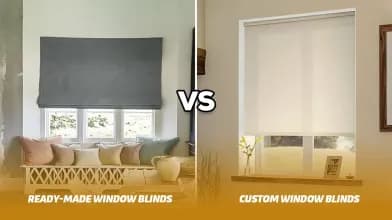
When the time comes to purchase your Roman blinds, you will need to decide between custom-made and ready-made options, and this choice will depend largely on your budget, your window measurements, and your personal preferences for quality and fit. Ready-made Roman blinds are widely available from high street retailers and online stores, and they offer an affordable and convenient solution for standard-sized windows. These blinds are produced in bulk and sold in a limited range of sizes, colours, and fabrics, making them an excellent choice for homeowners on a tight budget or for those who need window coverings in a hurry. However, the downside of ready-made blinds is that they may not fit your windows perfectly, resulting in gaps that allow light leakage and compromise privacy, and the quality of the materials and craftsmanship is often inferior to that of custom-made options. Custom-made Roman blinds, on the other hand, are crafted to your exact specifications, ensuring a perfect fit that enhances both the appearance and the performance of the window treatment. You have complete freedom to choose the fabric, lining, style, and operating system that best suits your needs, and the resulting blind will be made with superior materials and attention to detail that ensures longevity and durability. While custom blinds are significantly more expensive than their ready-made counterparts, many homeowners consider the investment worthwhile for the superior quality, perfect fit, and personalised aesthetic that they provide.
Energy Efficiency and Environmental Benefits
In an era of rising energy costs and growing environmental awareness, the thermal properties of Roman blinds have become an increasingly important consideration for homeowners looking to reduce their carbon footprint and save money on their utility bills. A well-fitted Roman blind with a thermal or insulating lining creates a barrier between the glass and the interior of your home, trapping a layer of air that slows the transfer of heat and keeps your rooms comfortable throughout the year. During the winter months, this insulation effect helps to retain the warmth generated by your heating system, reducing the need to crank up the thermostat and lowering your energy consumption. In the summer, the same blind reflects solar radiation and prevents your rooms from overheating, reducing your reliance on air conditioning and keeping your home naturally cool. Over the course of a year, these energy savings can be significant, and they contribute to a reduction in greenhouse gas emissions that benefits the environment as a whole. Furthermore, many modern Roman blinds are manufactured using eco-friendly materials and sustainable production processes, allowing you to make a responsible choice that aligns with your environmental values. By investing in high-quality Roman blinds, you are not only enhancing the beauty and comfort of your home but also making a positive contribution to the health of our planet.